Traditional Preparations
Hula dancers embark on their preparation journey by connecting with their cultural roots. They engage in rituals that honor their ancestors and the traditions passed down through generations.
Before a performance, hula dancers often seek guidance from kupuna, respected elders or ancestors. These wise mentors share wisdom, stories, and insights that add depth to the dancers’ performance.
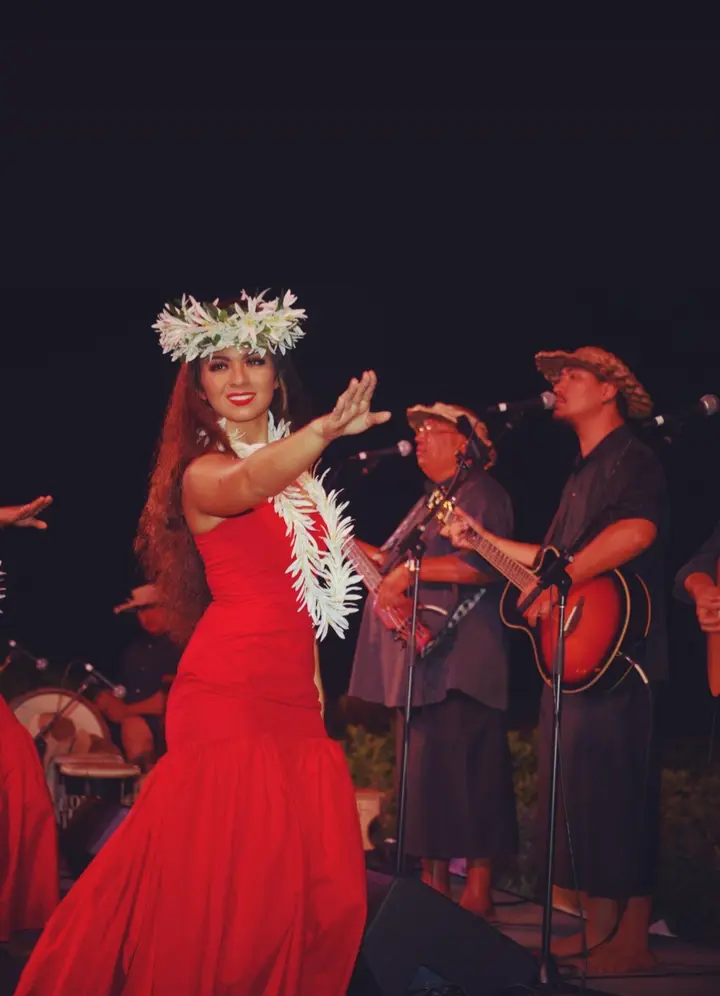
The adornments worn by hula dancers hold deep significance. Each flower or leaf in their lei has a story or symbolism attached, weaving a narrative that enhances the dance and connects the dancer to nature.
In addition to physical preparations, hula dancers engage in spiritual practices to align their mind, body, and spirit. This holistic approach ensures that their performance is not just a dance but a heartfelt expression of their cultural heritage.
The traditional preparations of a hula dancer go beyond just practicing the steps; it’s a profound journey of connecting with their past, their land, and the essence of what it means to be a bearer of this ancient art form.
Costume and Adornments
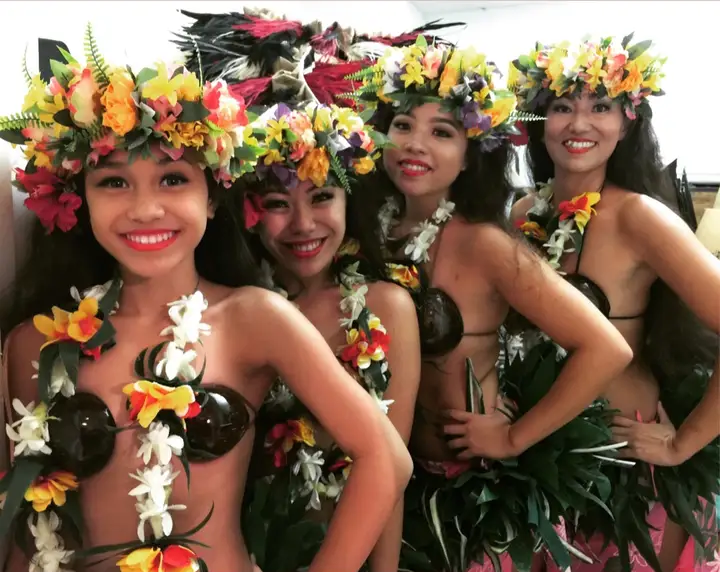
Choosing the right costume is a crucial part of preparing for a hula performance. The colors, fabrics, and designs of the attire all play a role in telling the story of the dance and enhancing the overall visual impact.
Adornments such as the lei, worn delicately around the neck, are carefully selected to complement the dancer’s movements and convey specific meanings. Each element of the costume is meticulously chosen to create a harmonious ensemble.
The intricate designs on the costumes are not just for aesthetic appeal; they often reflect elements of nature or historical motifs that enrich the storytelling aspect of the hula dance.
The process of getting dressed for a performance is a ritual in itself. Each movement of putting on the costume and accessories is done with reverence and mindfulness, honoring the tradition and the art of hula.
The costume and adornments worn by hula dancers are not mere decorations; they are symbolic representations of the dancer’s connection to the land, the ancestors, and the spirits that guide their movements.
Choreography and Practice
Creating the choreography for a hula performance requires a deep understanding of the stories, emotions, and cultural nuances behind each movement. Every step and gesture is deliberate and carries layers of meaning.
Practice is key to mastering the graceful movements of hula. Dancers spend hours perfecting their footwork, hand gestures, and expressions to ensure that every motion flows seamlessly and conveys the intended message.
The practice sessions are not just about physical technique; they also involve immersing oneself in the mood and spirit of the dance. Dancers seek to embody the essence of the story they are telling through their movements.
Hula dancers often practice in group settings, where they can synchronize their movements and create a harmonious performance. The collective energy of the group adds an extra layer of depth and beauty to the dance.
Through diligent practice and unwavering dedication, hula dancers transform individual movements into a captivating narrative that captivates audiences and conveys the rich tapestry of Hawaiian culture.
Wrapping Up
Now you know the intricate steps involved in how hula dancers prepare for a performance. By following these traditions and practices, they ensure a mesmerizing and culturally rich show for the audience to enjoy.