
Fire dancing is both an art form and a passionate endeavor that requires intense training and practice. Understanding how fire dancers prepare for their performances can be an inspiring journey. In this blog, we’ll explore the various training methods and practices that these skilled performers use to hone their craft and ensure safety during their mesmerizing routines.
Understanding Fire Dance Basics
At its core, fire dancing is a captivating combination of movement and artistry. Fire dancers are not merely performers; they are artists who convey emotion through their flames. Understanding the basic elements of fire dance is essential for anyone considering this expressive art form. Knowledge of the history and cultural significance of fire dancing can also enrich a dancer’s appreciation and practice.
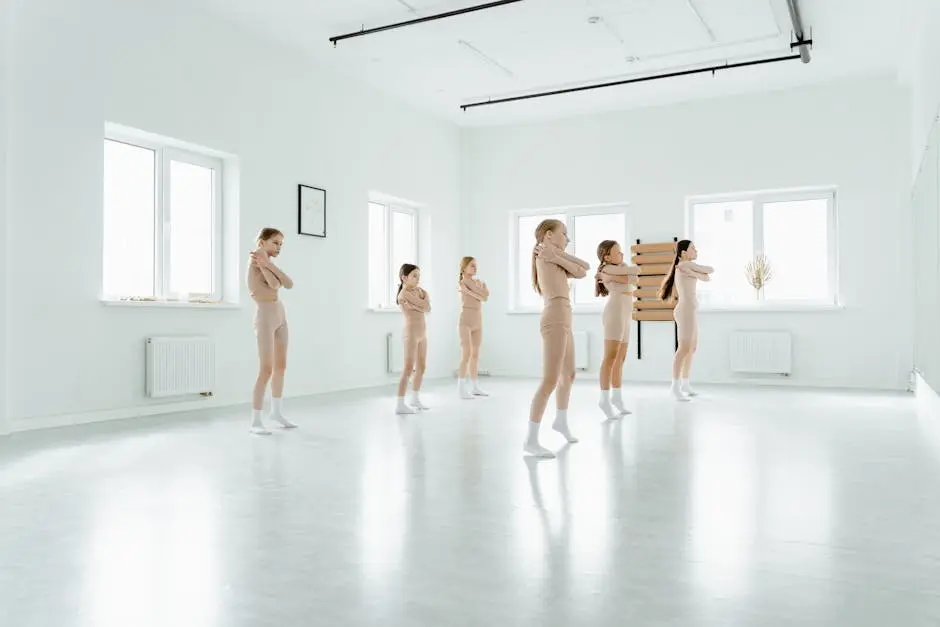
Fire dancing isn’t just about handling flames; it’s about understanding the dance itself. This includes knowing one’s body movements, rhythm, and how to express sensations through fire. Many dancers start their journey with traditional dance classes to develop a strong foundation. By delving into various dance forms, they gain versatility, which is invaluable when it comes to fire performance.
Physical Fitness and Conditioning
First and foremost, physical fitness is crucial for fire dancers. The demands of fire dancing require a dancer to be strong, flexible, and resilient. Regular conditioning routines help build muscular strength and improve endurance, ensuring that performers can execute challenging routines without fatigue. Many dancers adopt a personalized fitness regimen that includes strength training, flexibility exercises, and cardio workouts.
Moreover, fire dancers often incorporate various forms of exercise to enhance their overall performance. Activities like yoga and pilates are particularly popular as they not only improve flexibility but also promote balance and core strength. These practices allow dancers to have better control over their movements, making them more fluid and captivating to watch when combined with fire.
In addition to strength and flexibility training, fire dancers also focus on their stamina. Dancing with fire can be physically demanding, and proper cardiovascular workouts can greatly benefit a dancer’s performance. Whether it’s running, cycling, or engaging in high-intensity interval training, these activities provide the necessary cardiovascular health to endure intense routines.
Practicing Fire Manipulation Techniques
One of the most exhilarating aspects of fire dancing is mastering fire manipulation techniques. It is essential for fire dancers to learn how to handle their props safely and skillfully. This often begins with practicing the movements without fire to develop muscle memory and familiarity with the props. Many dancers spend hours mastering the flow and rhythm of their movements before introducing flames.
Once comfortable, dancers gradually add fire into the practice. This staged approach ensures that they remain in control at all times. Fire dancers often train under the supervision of experienced mentors, which is invaluable. Mentorship provides guidance on both performance techniques and safety practices, ensuring a holistic training experience.
Additionally, fire dancers experiment with different techniques and styles to create their unique performances. Innovations like poi spinning, staff twirling, and hoop dancing form the core of their routines. Each technique adds a distinct flair, making practice essential not just for skill, but for artistic expression.
Safety Measures and Precautions
Safety is of utmost importance when training as a fire dancer. Proper equipment, such as fire-resistant clothing and high-quality wicks, can significantly reduce the risk of accidents. Dancers must also familiarize themselves with first aid procedures, fire safety protocols, and emergency plans to prepare for any potential incidents.
Moreover, setting up a safe practice environment is crucial. Fire dancers choose locations that are free of flammable materials and create a safe distance for spectators when performing. This careful approach allows dancers to focus on their art without unnecessary distractions or fear.
Lastly, fire dancers often engage in community gatherings and workshops that emphasize the importance of safety. These shared experiences foster a supportive atmosphere where dancers can learn from one another and remain vigilant about safety practices in their craft.
Choreography and Performance Rehearsal
Creating choreography is a thrilling aspect of a fire dancer’s journey. This process involves weaving together individual movements, musicality, and the essence of fire to tell a story or evoke emotions. Choreography sessions are where creativity flourishes, and dancers explore how to harmonize their movements with flames.
Rehearsals play a significant role in this creative process. Dancers spend ample time in practice, revisiting routines to achieve fluidity and precision. They focus on synchronizing their movements to the rhythm of the music and often use mirrors to correct postures. Additionally, dancers film their rehearsals to review their performance and make necessary adjustments.
Collaborative rehearsals with fellow dancers are also common. Engaging with peers provides opportunities to exchange ideas and improve performance. Working together brings fresh perspectives and encourages the incorporation of unique elements into their routines, making each performance even more captivating.
Finding Inspiration and Style
Finding inspiration is an integral part of a fire dancer’s training. Whether it’s from nature, personal experiences, or other art forms, inspiration fuels creativity. Dancers often draw from different cultures and styles, integrating various elements to develop their unique performance signature.
Moreover, attending workshops, festivals, and events can spark creativity and motivation. Connecting with other artisans can lead to collaboration and new friendships, which can further inspire their dance journey. The excitement of seeing others perform ignites passion and helps dancers evolve in their craft.
Lastly, personal reflection plays a vital role in artistic development. Dancers often take time to meditate, think about their journey, and channel their experiences into their performances. By embracing their individuality, fire dancers not only hone their style but also create a deeper connection with their audience.
The Journey of a Fire Dancer
Fire dancers implement a combination of physical training, skill development, and safety practices to perform with confidence and flair. From mastering fire manipulation techniques to enhancing their physical fitness and ensuring safety, each aspect of their training is crucial for a successful performance. Now that you know how they prepare, you can appreciate the artistry and dedication that goes into every fire dance show.


