History of Lei Making
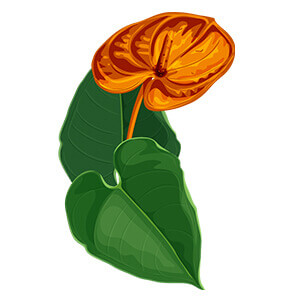
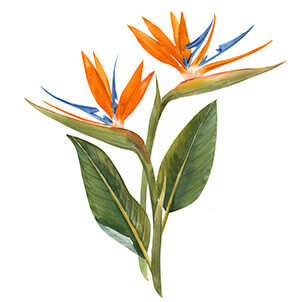
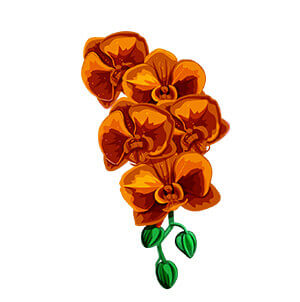
Leis are flower garlands that have been a significant part of Hawaiian culture for centuries. They were originally made by native Hawaiians using native flowers, leaves, shells, and seeds. Over time, lei making has evolved to include a variety of materials like orchids, plumerias, and even candy. Traditionally, leis were given as offerings with deep meanings or used to honor individuals during special occasions such as weddings, graduations, and birth
Materials Used in Lei Making
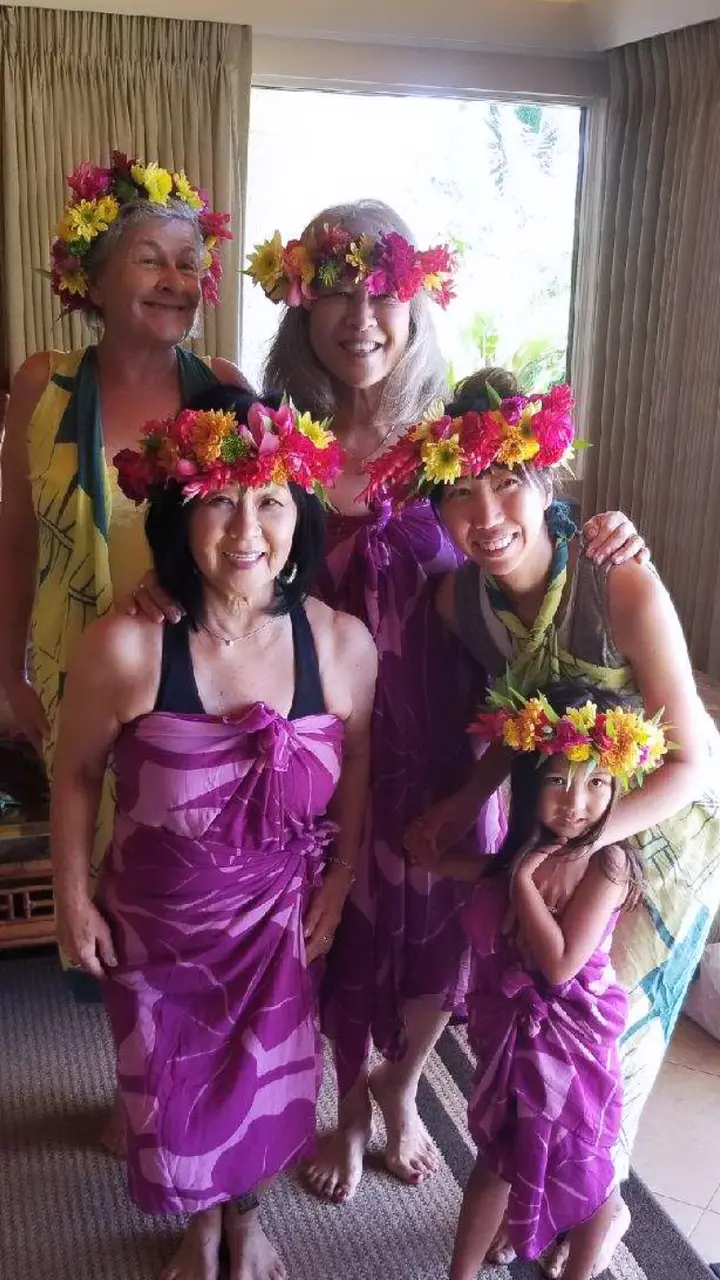
Leis are usually made from flowers, leaves, shells, feathers, or even fabric. Common materials include orchids, plumerias, ti leaves, kukui nuts, and carnations. The choice of materials often depends on the occasion and the desired aesthetic of the lei.
Traditional Lei Designs
Traditional lei designs often feature flowers like orchids, plumeria, and pikake. These leis are meticulously crafted by stringing the flowers together into a beautiful garland. The colors and types of flowers used can convey different meanings and symbolisms, making each lei unique.
Modern Variations of Lei Making
Leis have evolved over time, and modern variations of lei making include using materials like ribbons, beads, and even paper to create unique and personalized designs. While traditional leis are made with fresh flowers and foliage, these modern adaptations allow for more creativity and customization. Some crafters also incorporate cultural elements and symbols to give their leis a contemporary twist, blending the old with the new in a creative and colorful way.
Lei-Making Techniques
Lei-making techniques involve different methods such as stringing flowers together, braiding leaves, and creating intricate patterns with shells. Stringing is the most common technique where flowers or leaves are carefully threaded onto a strand. Braiding involves weaving together different materials to form a lei. Shells and beads are often incorporated into leis using techniques like wire wrapping. Mastering these techniques takes practice, but with patience and creativity, anyone can craft beautiful and unique leis.
Cultural Significance of Lei Making
Leis are more than just beautiful decorations; they hold deep cultural significance in many Polynesian cultures. Leis are symbols of love, respect, and honor, often given as gifts during special occasions. Each flower used in lei making carries its own meaning, adding layers of symbolism to the finished product. Lei making is a traditional art form passed down through generations, connecting people to their heritage and community. The process of creating a lei involves careful selection of flowers, leaves, and other materials, then stringing them together with skill and precision. By learning about the cultural significance of lei making, we gain a deeper appreciation for this ancient tradition that continues to thrive in modern times.
Different Types of Leis
There are various types of leis made from different materials like flowers, leaves, or shells. Here are some common types:
- Flower leis: Made from fresh flowers like orchids, plumeria, or roses.
- Leaf leis: Created using various types of leaves such as ti leaves or ferns.
- Shell leis: Crafted from seashells like kukui nuts or cowrie shells.
- Money leis: Origami or real currency folded into decorative shapes.
Lei Making in Celebrations and Events
Leis are commonly crafted for celebrations and events to honor traditions and add a touch of beauty. They can be created using a variety of materials like flowers, leaves, seashells, or even candy. Leis are symbols of love, respect, and aloha spirit, and are given as gifts to express joy and appreciation. The process of making a lei involves stringing together these elements in a meaningful and artistic way.
DIY Lei Making Tips
Lei making is a fun and creative activity that you can do yourself at home. To make your own lei, you will need fresh flowers, string, and scissors. Here are some tips to help you create a beautiful and unique lei:
- Choose flowers that are in good condition and have strong stems.
- Cut the flowers to the desired length for your lei.
- Thread the flowers onto the string, alternating colors and types of flowers for a more interesting look.
- Tie knots at the end of the string to secure the flowers in place.
- Once you have finished making your lei, you can wear it around your neck or give it as a thoughtful gift to someone special.
Preserving and Caring for Leis
Leis are delicate and should be handled with care to ensure their longevity. When not wearing your lei, store it in a cool, dry place away from direct sunlight to prevent wilting and fading. To maintain its freshness, mist the flowers with water occasionally, but avoid soaking the entire lei. Avoid crushing or bending the flowers, as this can damage them. If your lei starts to wilt, you can try hanging it in a humid area, like a bathroom, to revive it. Remember, proper care will keep your lei beautiful for longer.